Industrial Manufacturing ERP Software Explained

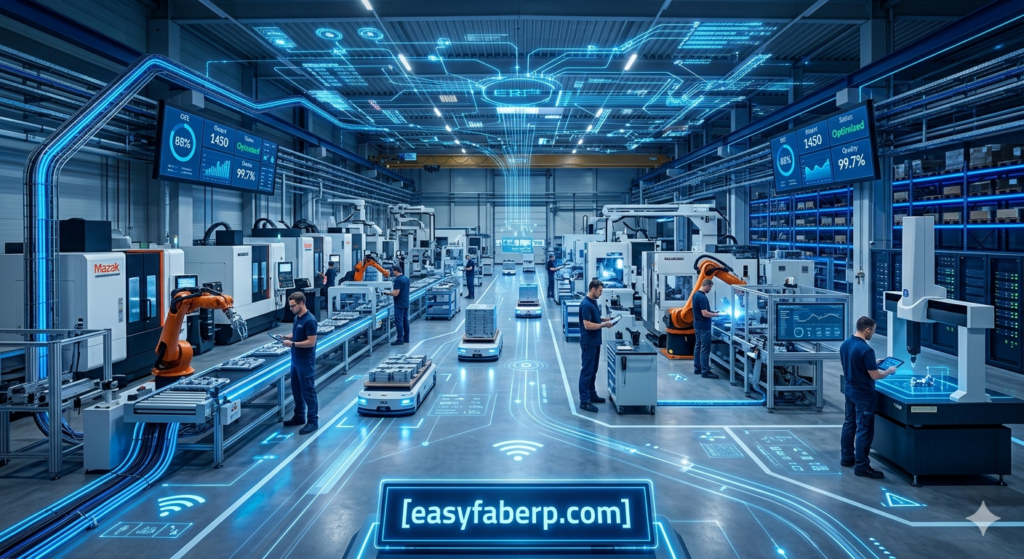
Industrial Manufacturing ERP Software is designed to help manufacturers manage complex operations with efficiency and accuracy. Industrial manufacturing businesses deal with production planning, raw material management, inventory tracking, quality control, and financial processes. Managing all these operations without a centralized system can create delays, errors, and higher operational costs.

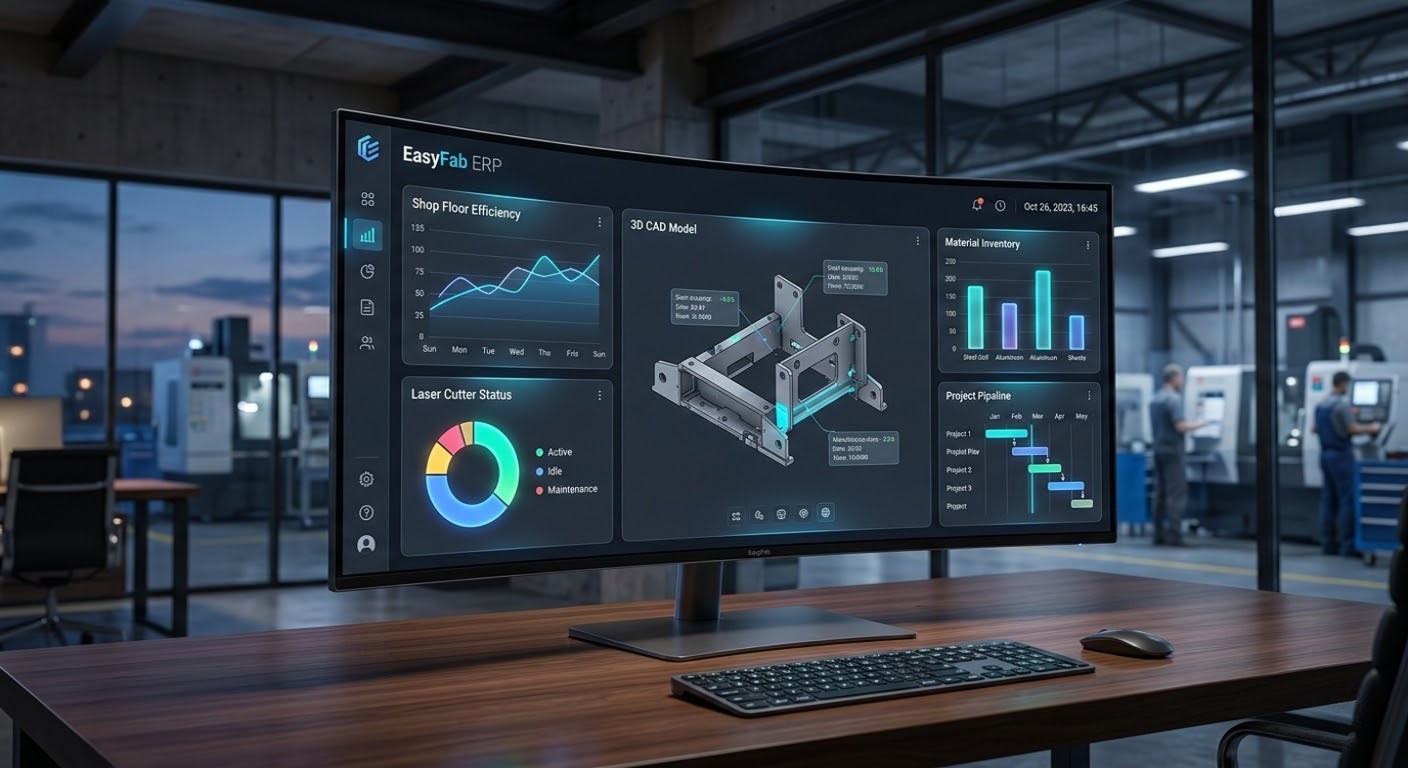
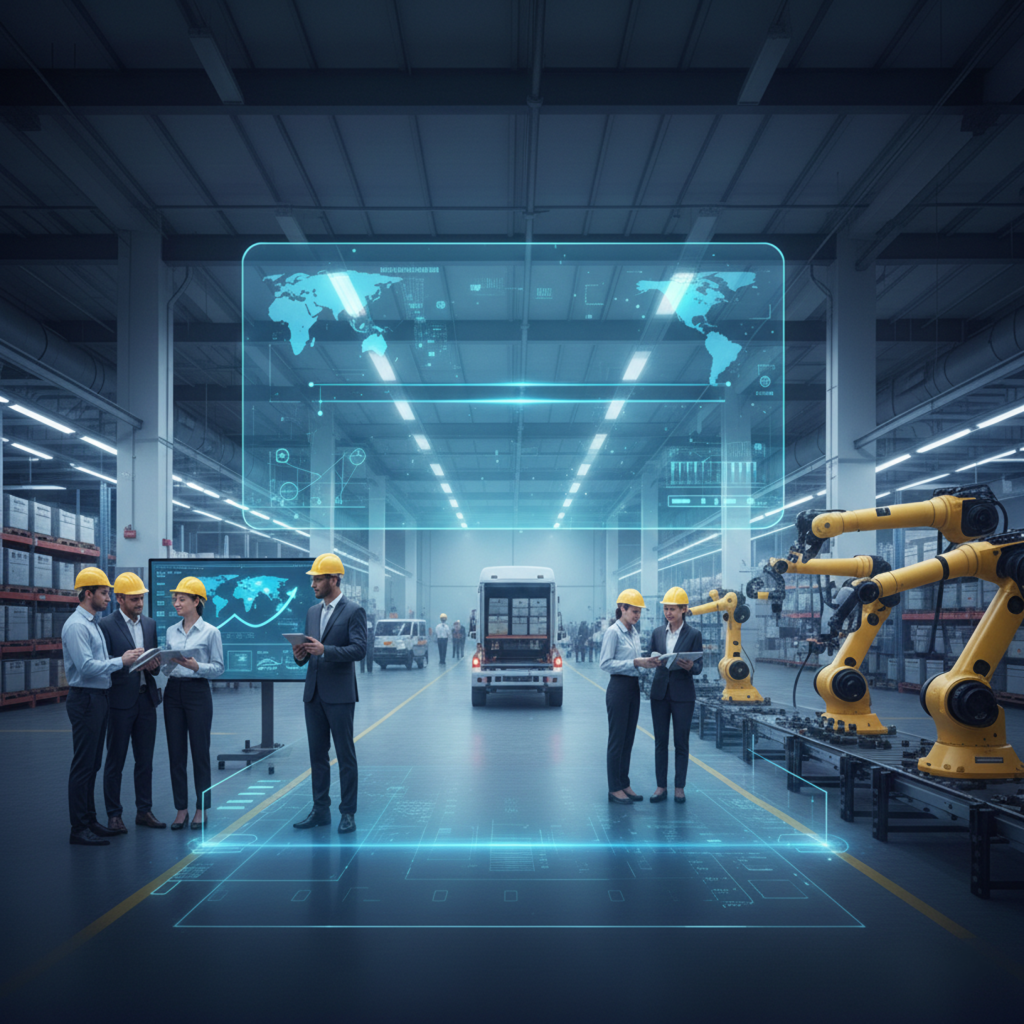
A powerful ERP for Industrial Manufacturing integrates all departments into one intelligent platform, helping companies automate workflows, monitor production performance, and make data-driven decisions. With the right ERP system, manufacturers gain full visibility over their operations — from procurement to product delivery.

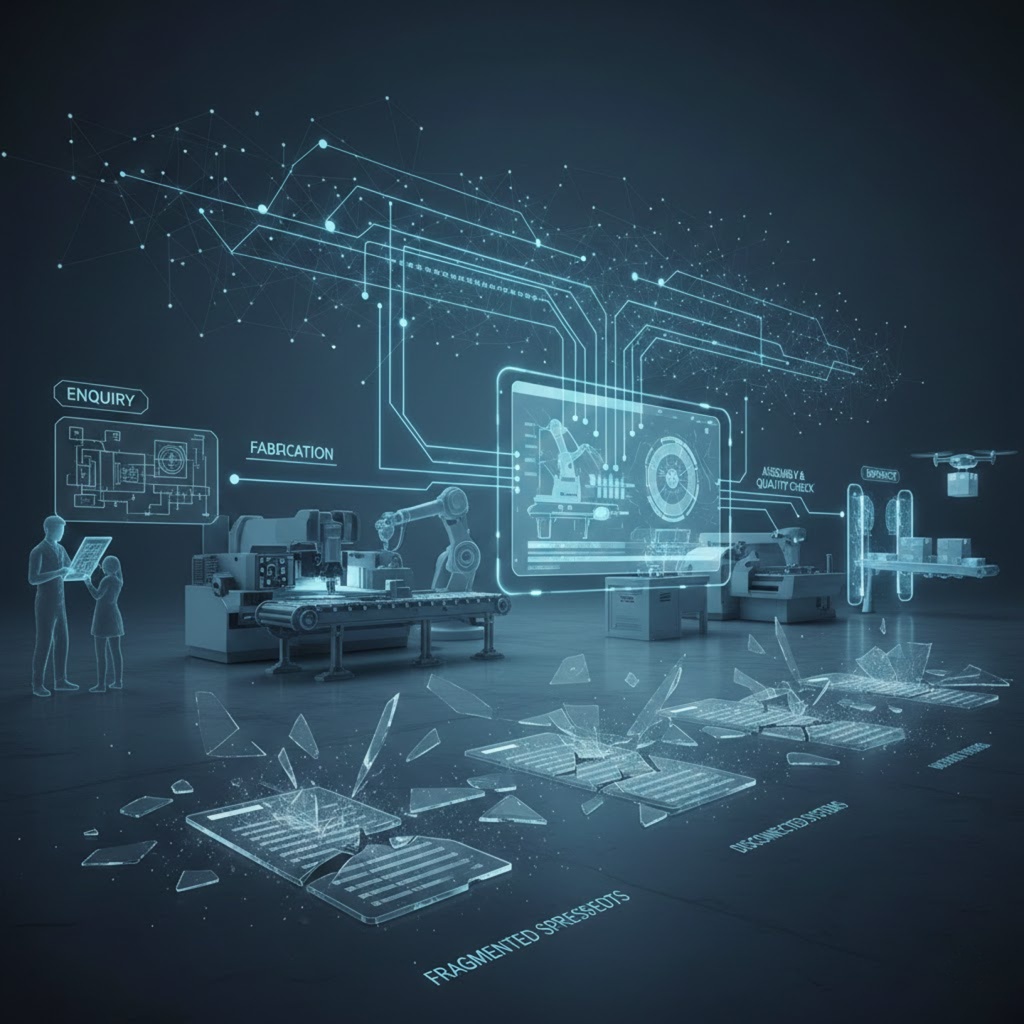
into a single real-time dashboard.

Eliminate bottlenecks before they stall your output.

Unified Production Control

Connect every production stage — planning, scheduling, and floor execution — into a single real-time dashboard. Eliminate bottlenecks before they stall your output.

Smart Inventory & Procurement

Track raw materials, components, and finished goods with live accuracy. Automated procurement triggers prevent stockouts and reduce excess inventory costs.

Data-Driven Decision Making

Built-in analytics and reporting give leadership instant visibility into KPIs, quality metrics, and financial performance — turning operational data into strategic advantage.

Why Industrial Manufacturing Companies Need ERP Systems

  • Improve production planning and scheduling

  • Automate manufacturing workflow management

  • Monitor shop floor operations in real time

  • Optimize inventory and material management

  • Reduce human errors through process automation

The future of industrial manufacturing efficiency, automation & growth

Industrial manufacturing is at a turning point. Smart factory technology, rising global demand, and pressure to cut costs are reshaping how facilities operate — from CNC machining centers to fully automated assembly lines.

Manufacturing automation

Cobots, machine vision, IoT sensors, and digital twins are replacing repetitive manual tasks enabling 24/7 cycles and dramatically lower defect rates. The ROI case is clear: automation reduces labor dependency while improving precision and throughput.

Predictive maintenance

Unplanned downtime costs tens of thousands per hour. Vibration sensors and ML analytics shift maintenance from reactive to proactive — reducing annual downtime from 300+ hours to under 80, while optimizing maintenance spend.

Supply chain resilience

Single-source supply chains are a liability. Nearshoring, dual sourcing, and digital supplier scorecards reduce risk and improve on-time delivery. Prioritize partners with ISO 9001 or IATF 16949 certification when evaluating industrial machinery suppliers.

Workforce development

Technology without skilled operators underdelivers. AR training platforms, digital SOPs, and structured upskilling pathways ensure your team can extract full value from automation investments — and scale as your facility grows.

Scroll to Top